A couple of years ago, I was given a box of photographs and other documents that had belonged to my late father-in-law, Peter Poulton. Included were family letters sent to him around VE Day, which I’ve already shared on this blog (link at the foot of this post).
Amongst the box contents were a number of tiny, faded snapshots that at first glance seemed unremarkable. But eighty years on, they reveal striking images from a pivotal moment in history. These photographs are important to me not just as historical records, but as glimpses into a life I never really knew. I only met Peter in his later years, and I understand – like many of his generation – he had rarely spoken about his wartime service. These images can now help fill some of those silences and help his descendants trace his journey, piece together his experiences, and see something of the world he once knew as a very young man far from home.
While others in Britain celebrated the end of the war in Europe, Peter was still on active service in the Far East, preparing for the planned invasion of Japanese-occupied Malaya and Singapore, part of what was to be known as Operation Downfall.
Peter joined the Navy as an Ordinary Seaman in December 1943, soon after his 18th birthday. He was initially assigned to the deck department of a ship while undertaking formal training – something like an apprenticeship – and gaining experience at sea, known as sea time.
In the summer of 1944, he was transferred to Ceylon (now Sri Lanka) for further training. Peter progressed well and qualified as a Seaman Torpedoman and, just a year after enlisting, was promoted to Able Seaman.
His photographs are tiny Box Brownie-sized prints, about 8cm x 6cm, and many details were hard to make out until I scanned them into high-resolution digital images, revealing some amazing scenes from the period. These pictures tell their own story – and you can click on any image to view a larger version.
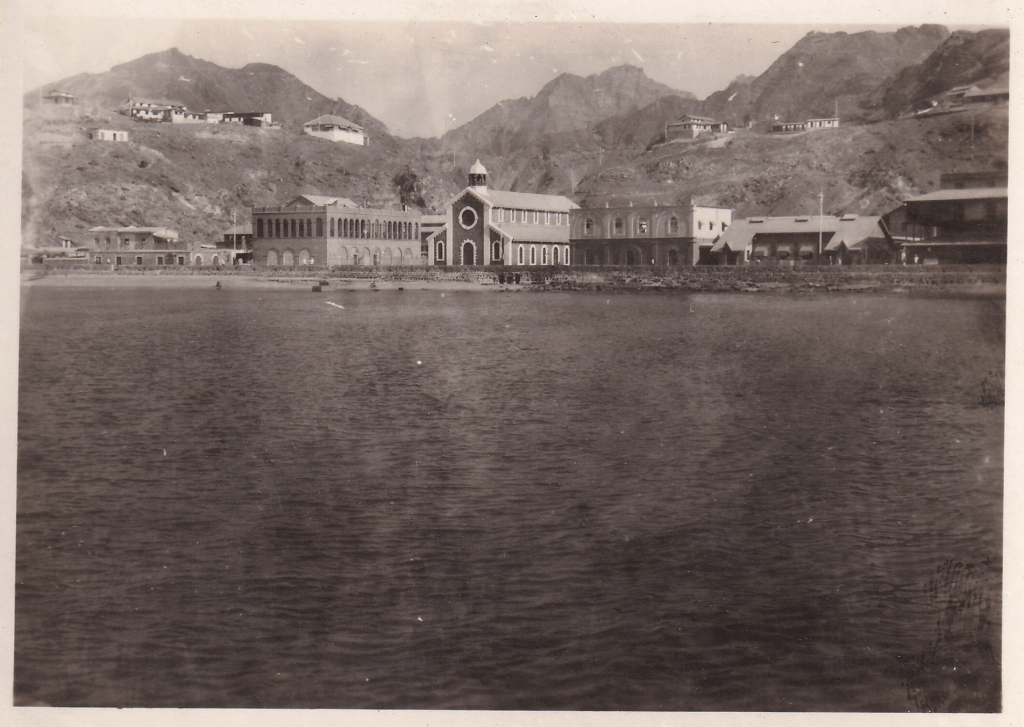
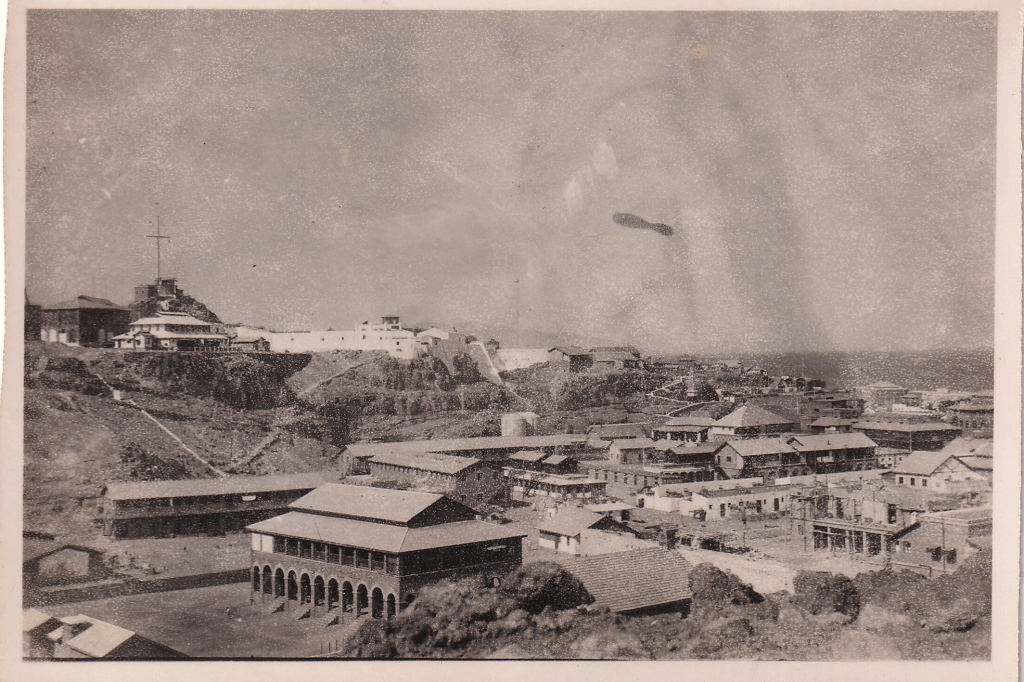
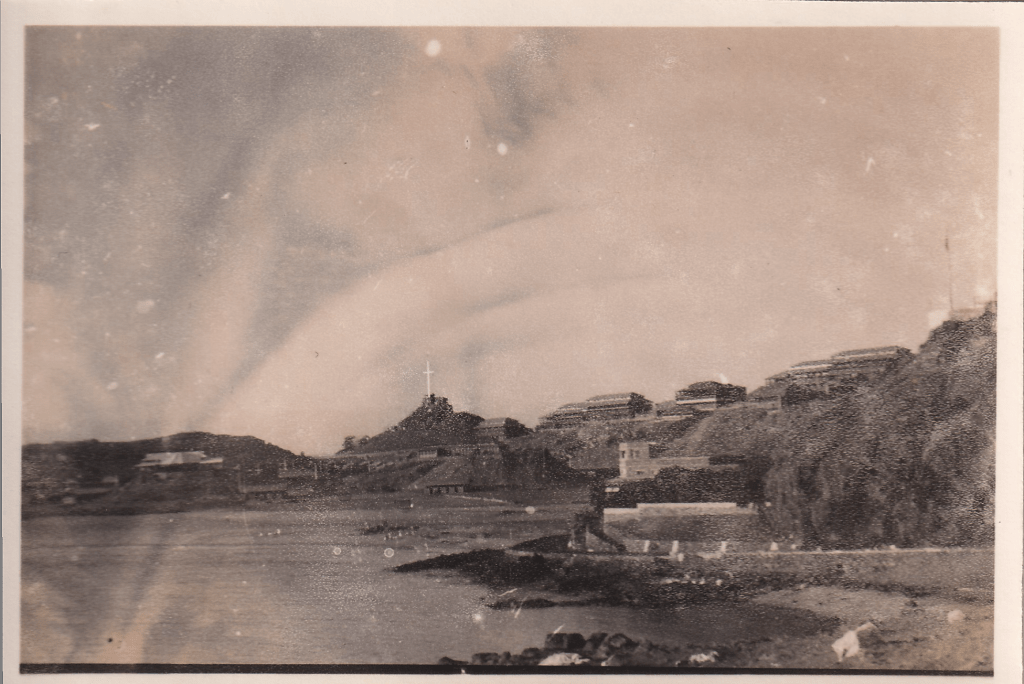
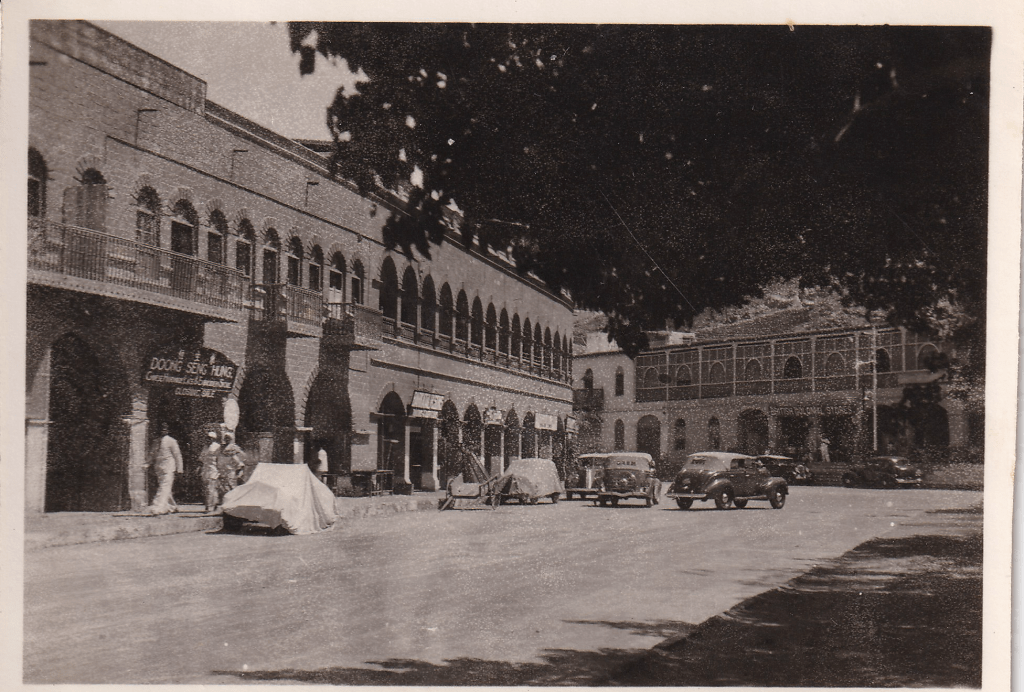
Outbound voyage via Aden (now part of Yemen) c.1944
Peter travelled East by sea, and like thousands of others, passed through the port of Aden – a key coaling and staging post for ships travelling from Britain to the Far East via the Suez Canal.
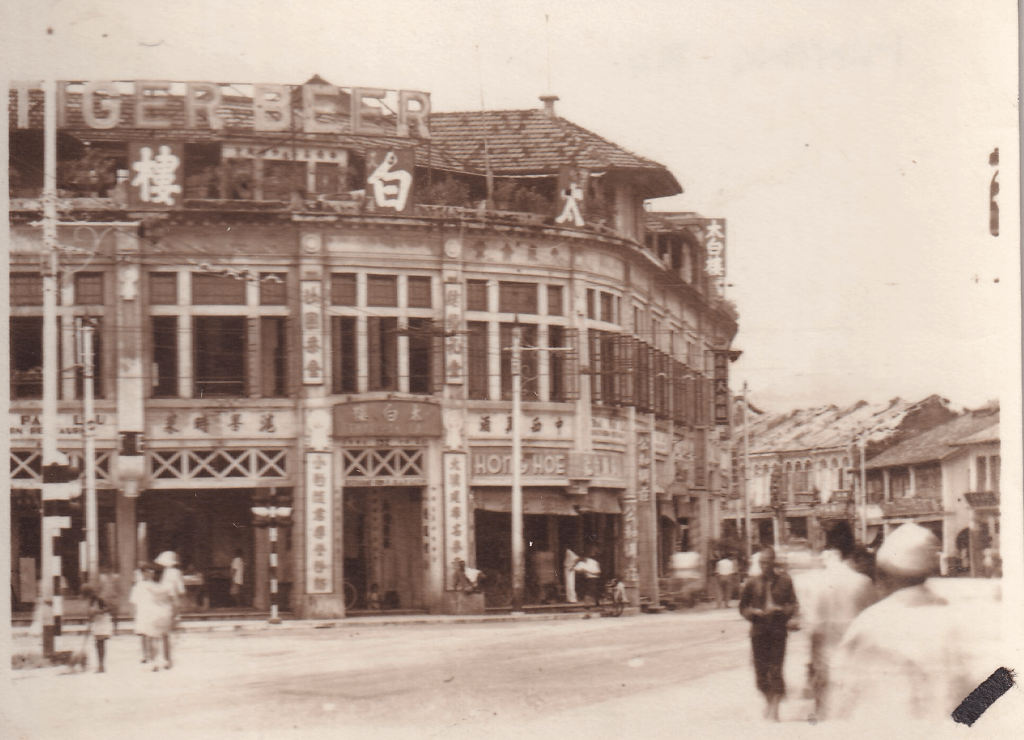
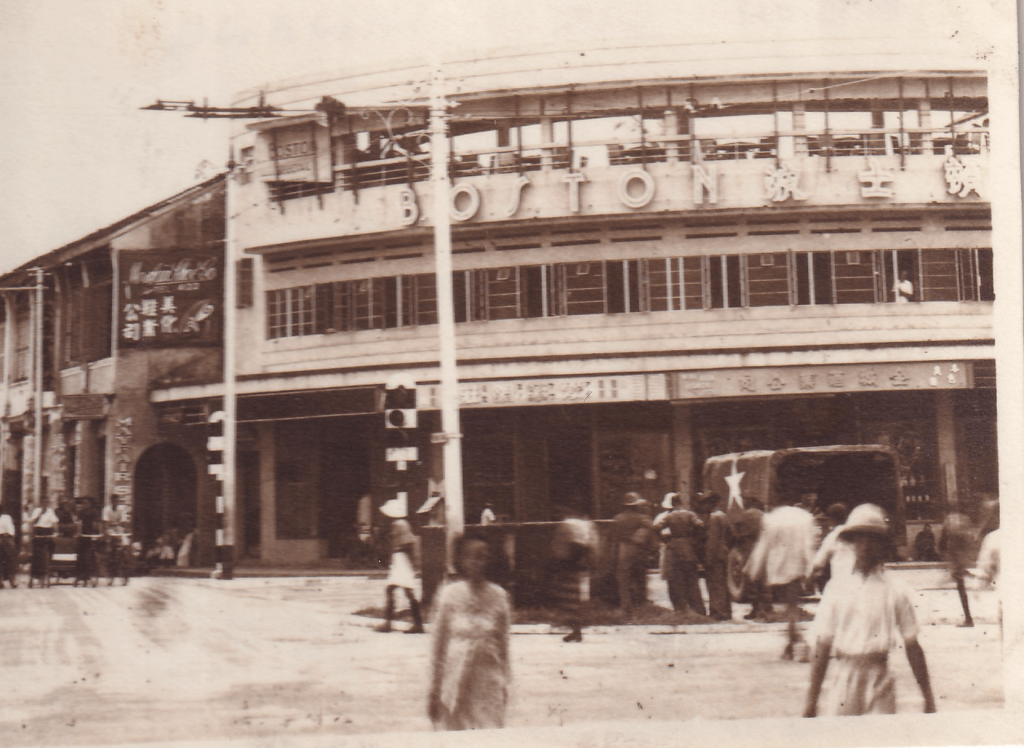
Penang (Malaya) c.1945-46
The Japanese in Penang surrendered on 4th September 1945 and the Royal Navy arrived almost immediately afterwards. Penang was an important port for staging occupation duties and logistics.
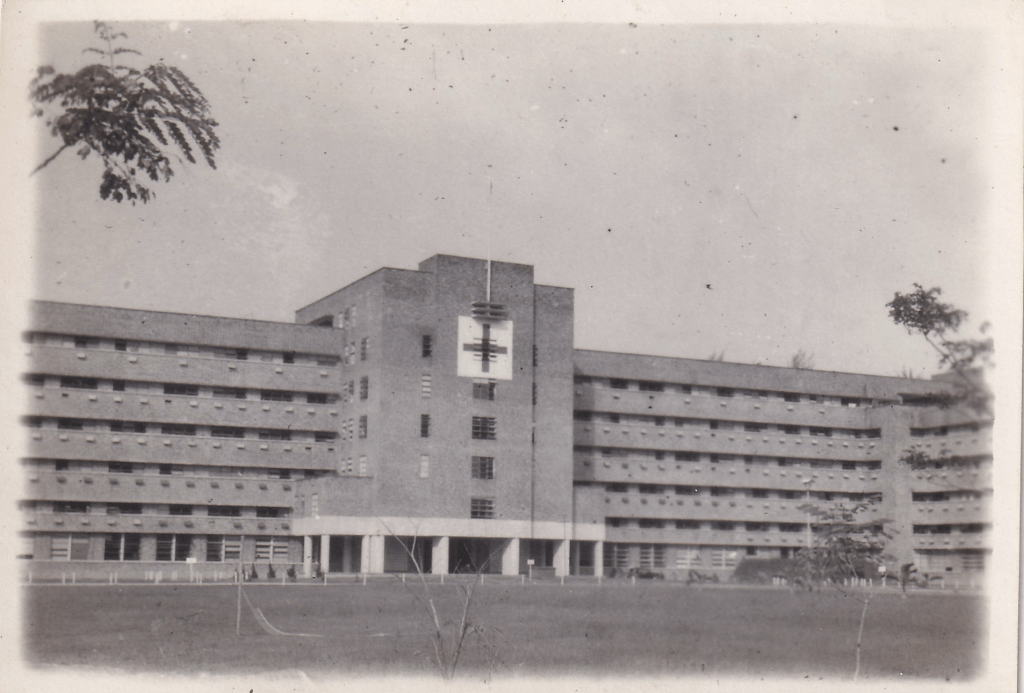
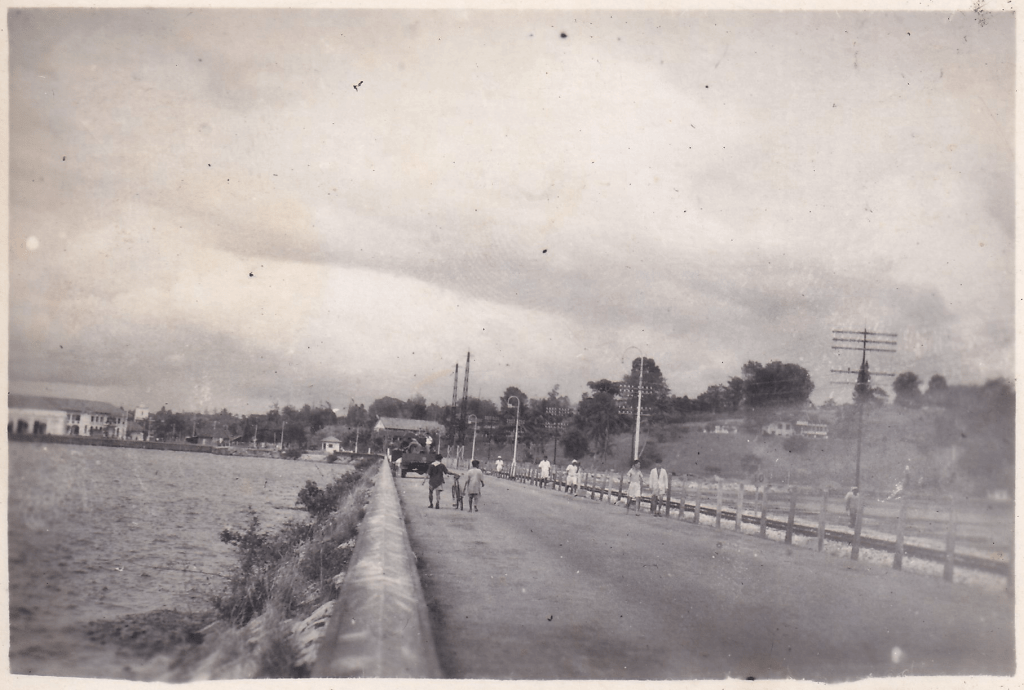
Johor (Malaya) c.1945-1946
Johor was close to Singapore, with key road and rail links and became part of the wider British Miliary Administration (BMA) zone post-surrender.
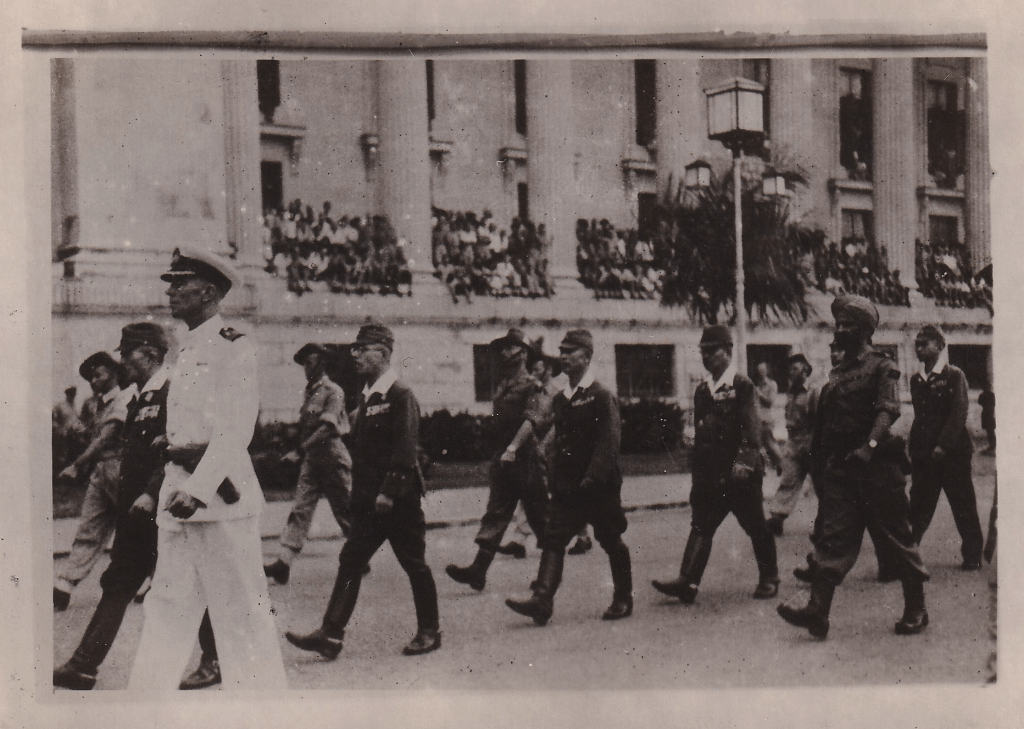
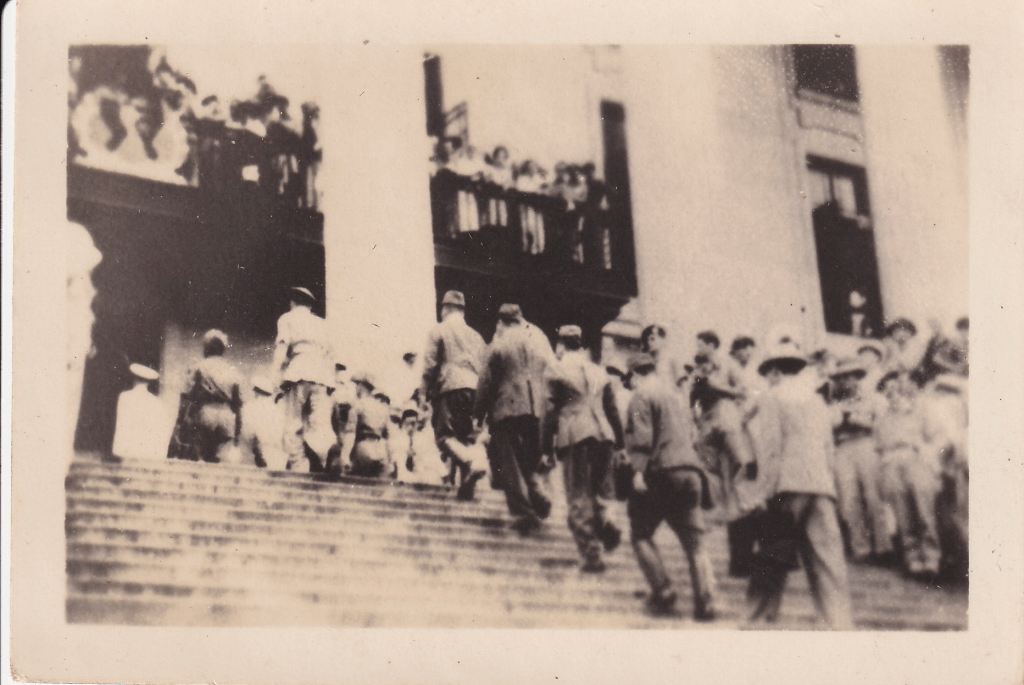
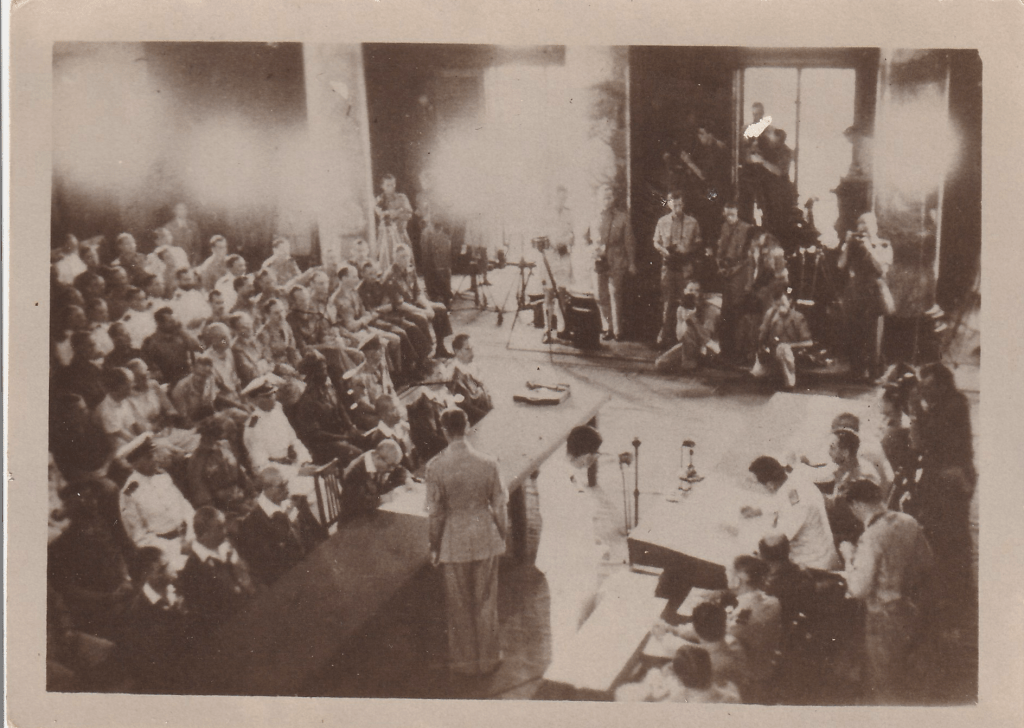
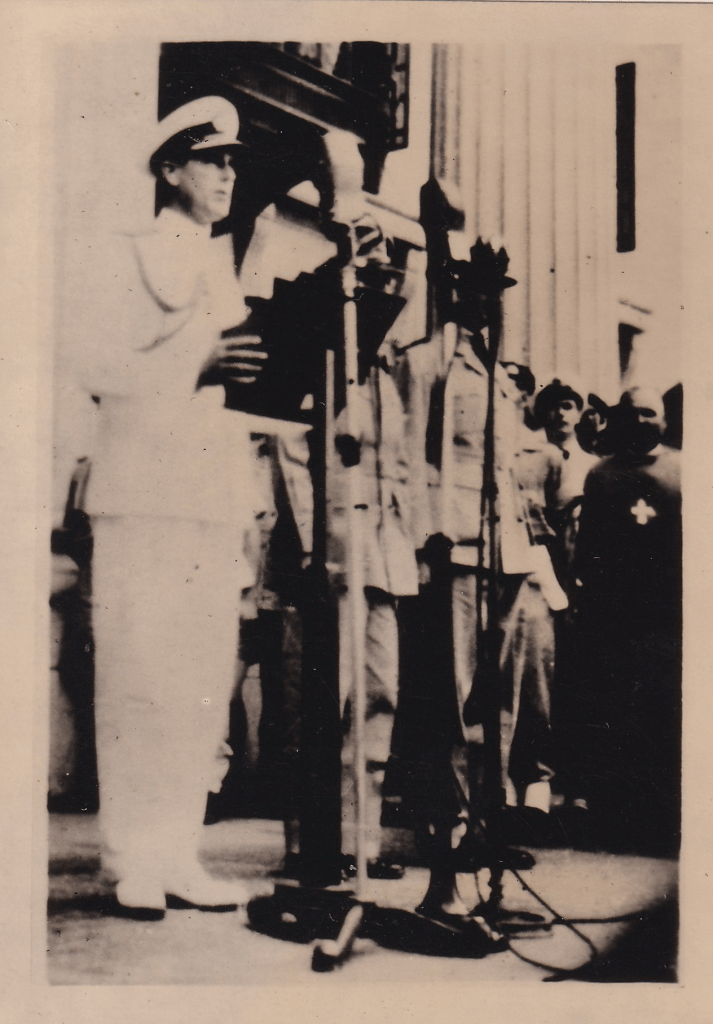
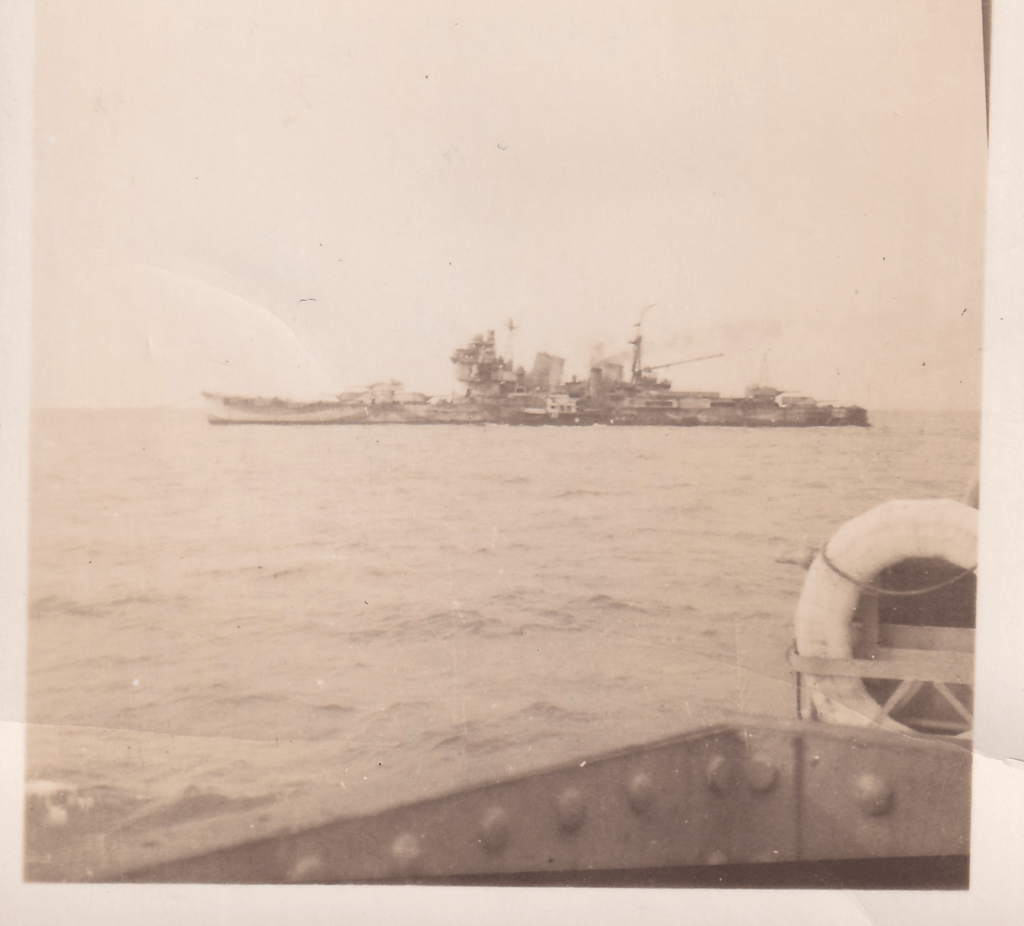
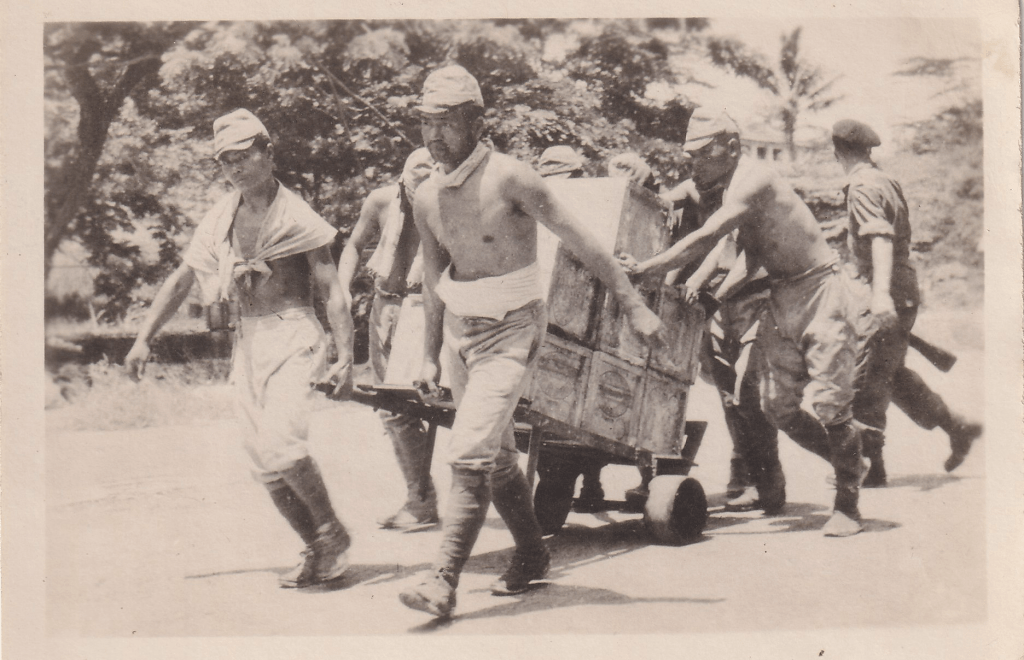
Singapore: Japanese surrender 12th June 1945
Although the Japanese surrender aboard the USS Missouri in Tokyo Bay on 2nd September 1945 officially ended the Second World War, a second ceremony was held on 12th September at the Municipal Building (now City Hall) in Singapore. There, the surrender of Japanese forces in Southeast Asia was formally accepted by Admiral Lord Louis Mountbatten, Supreme Allied Commander of the South East Asia Command, marking the official end of the Japanese occupation of the region.



Kuching (Sarawak, Borneo) c.1945-46
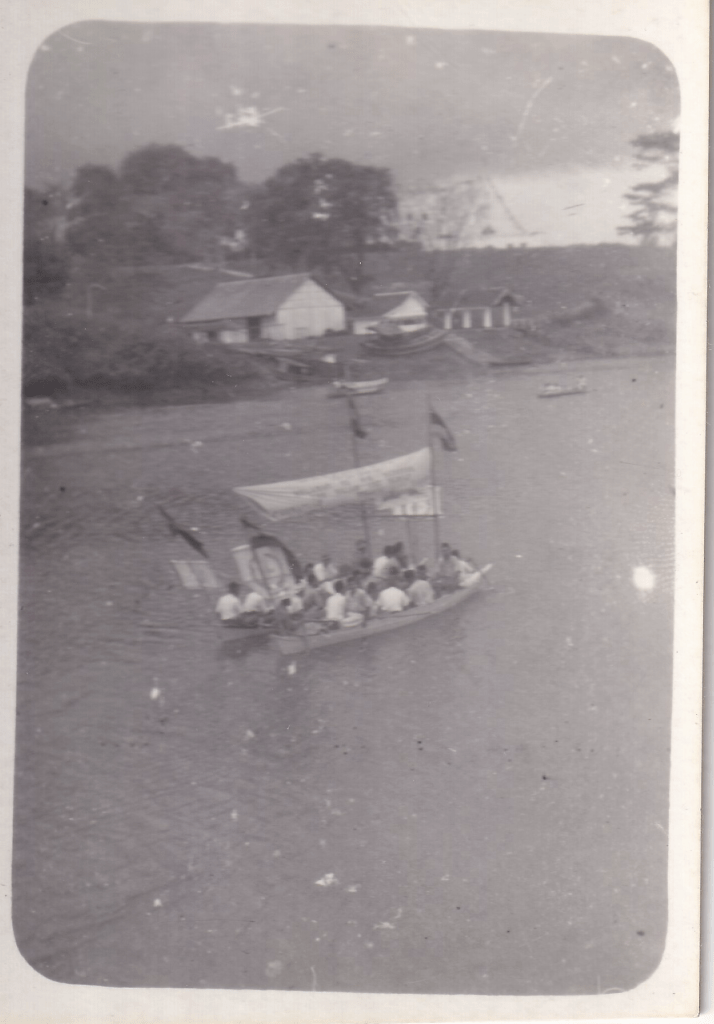
Sarawak, a British Colony in Borneo, was occupied by the Japanese from 1942. It was liberated by British and Australian force on 10th June 1945. Then, in 1946, the last Rajah of Sarawak, Sir Charles Vyner Brooke, ceded the territory to become a British Crown Colony.
(Since posting this, I’ve learned more about Peter’s visit to Sarawak. Click the link at the foot of this page to read more.)
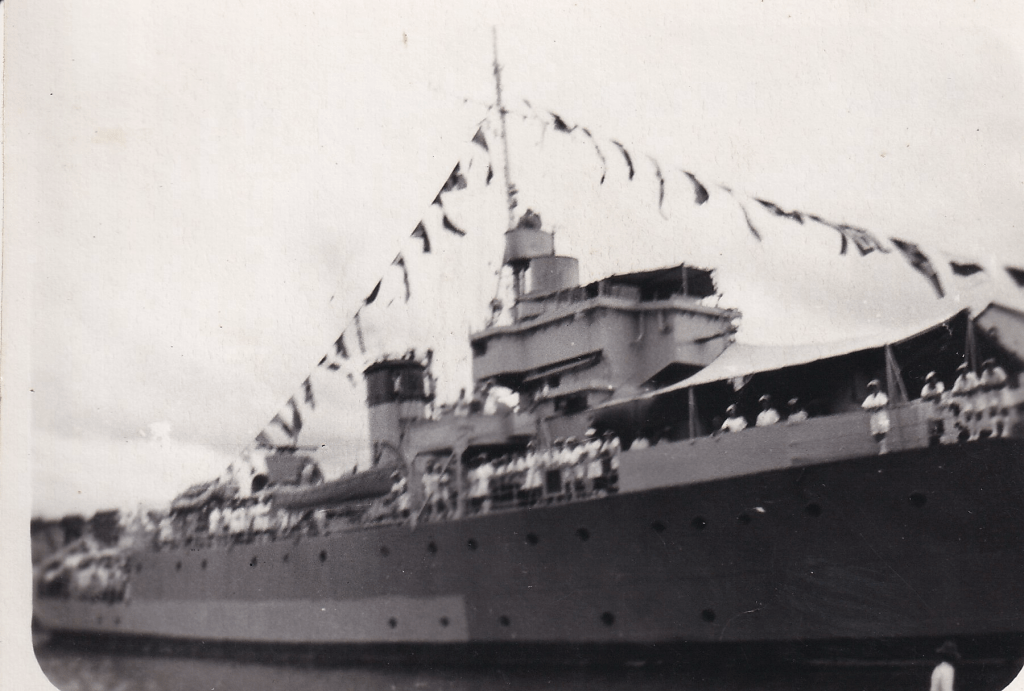


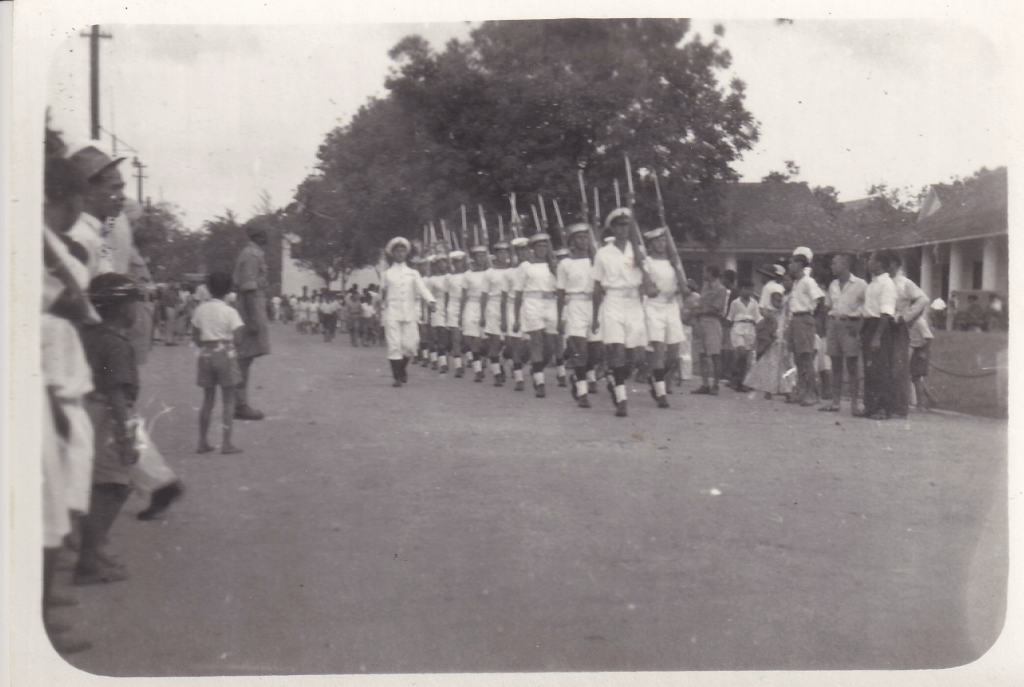

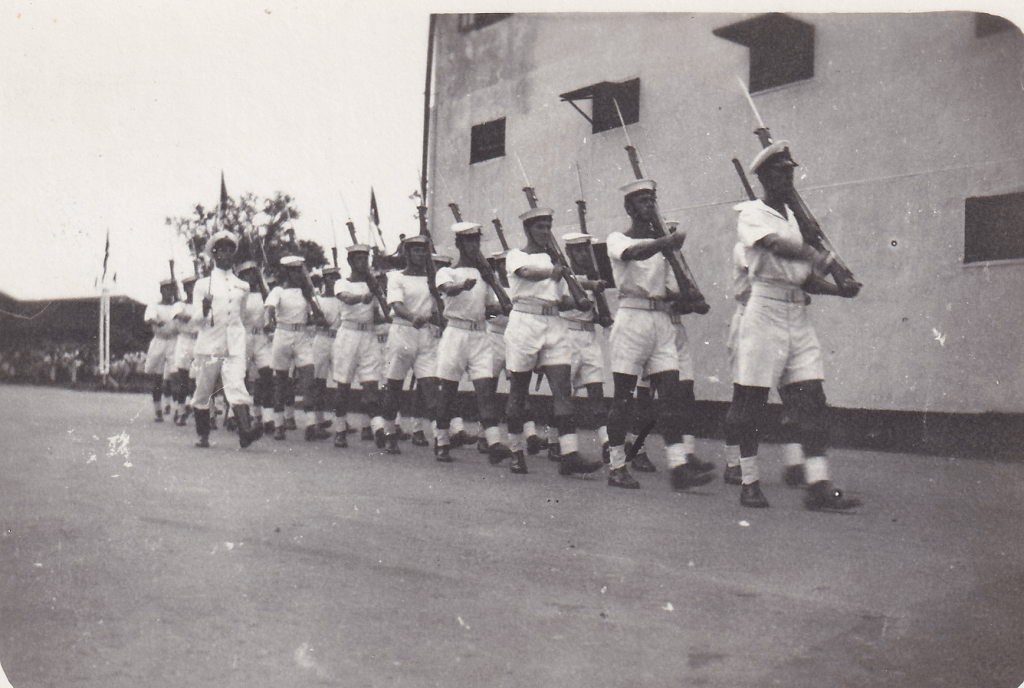
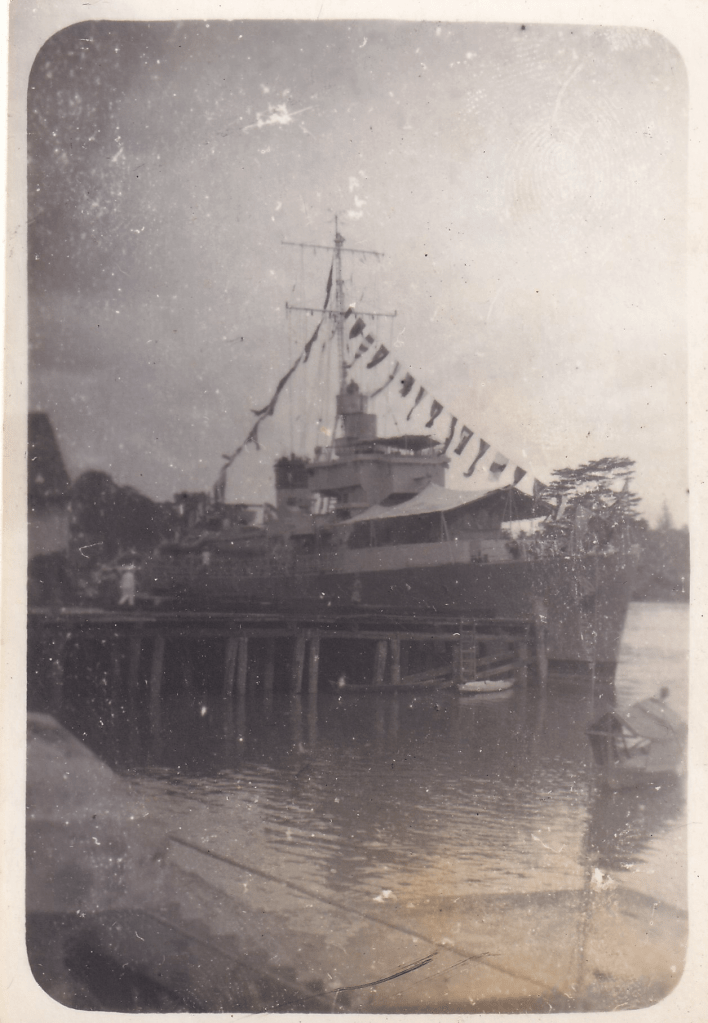
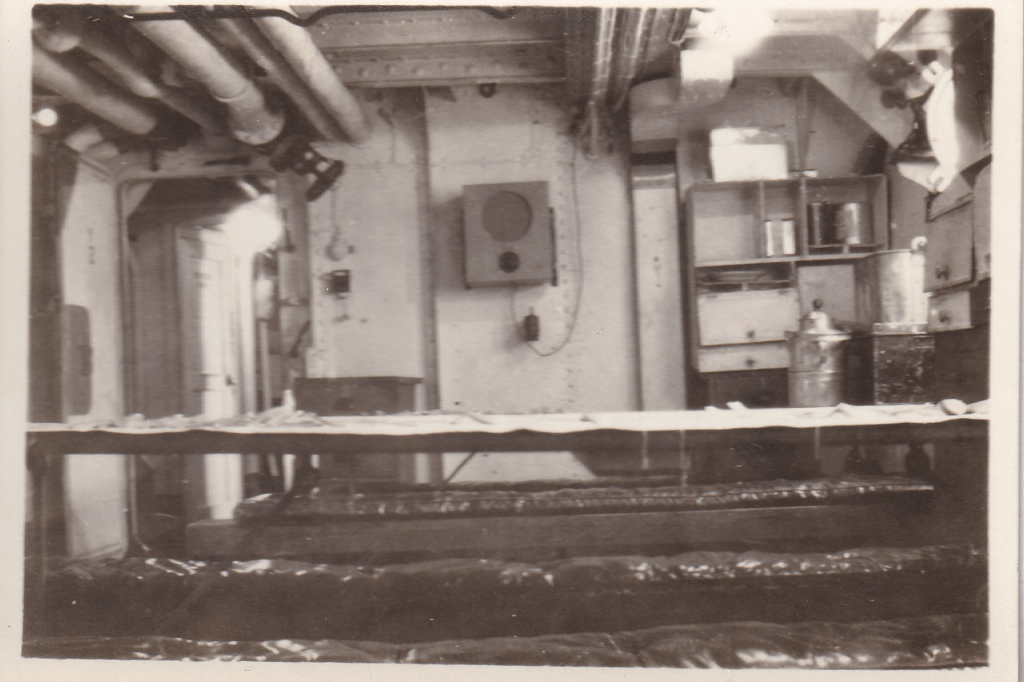
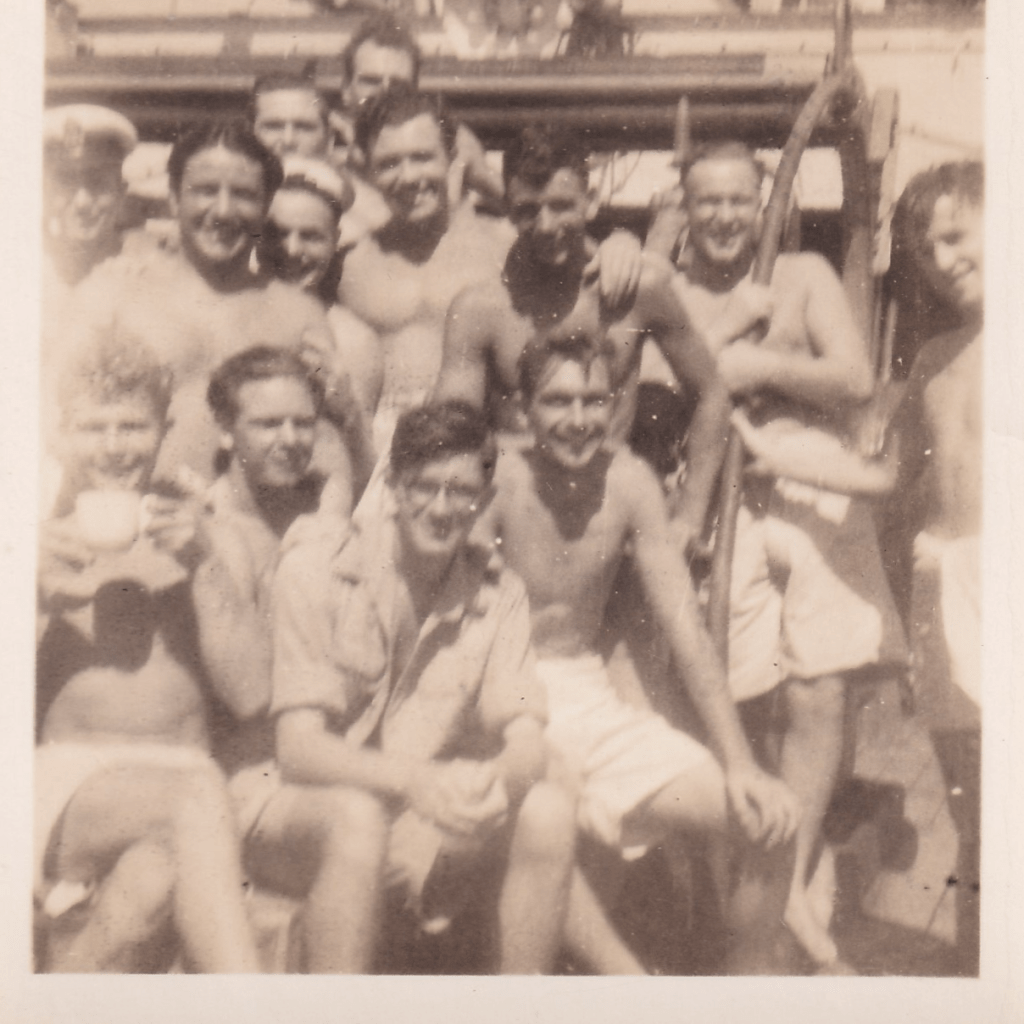
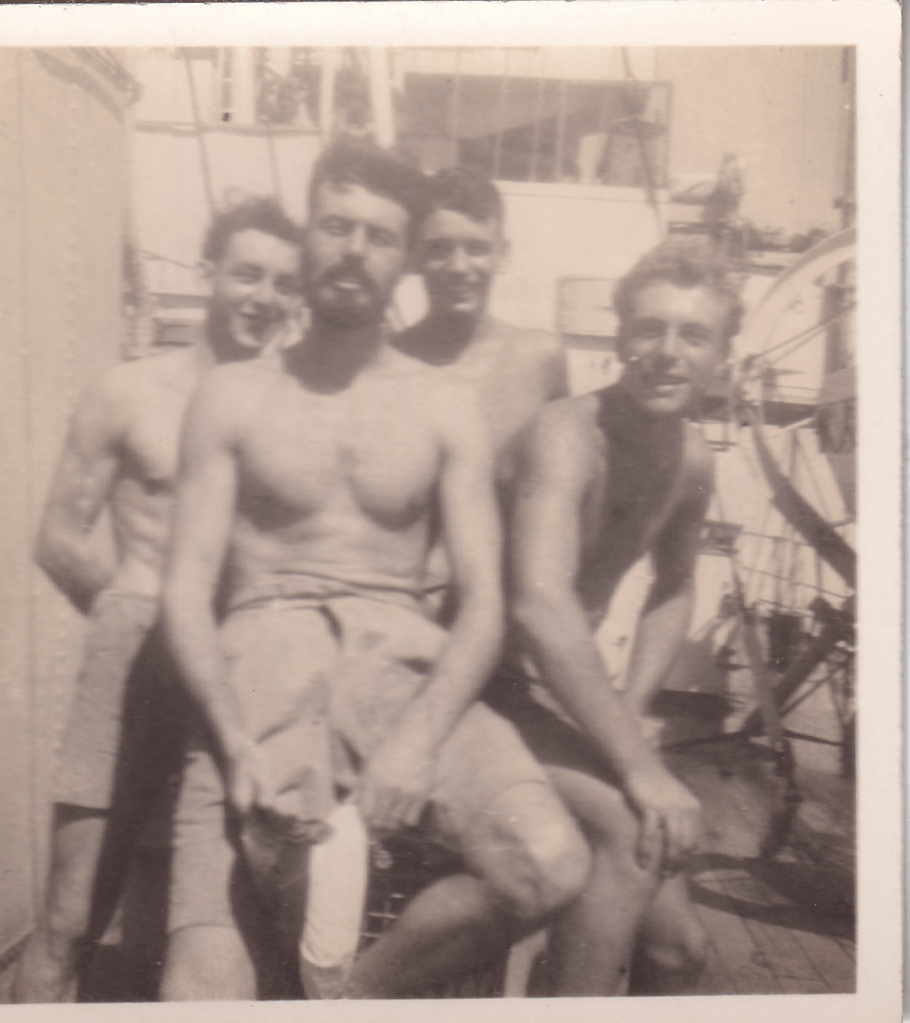
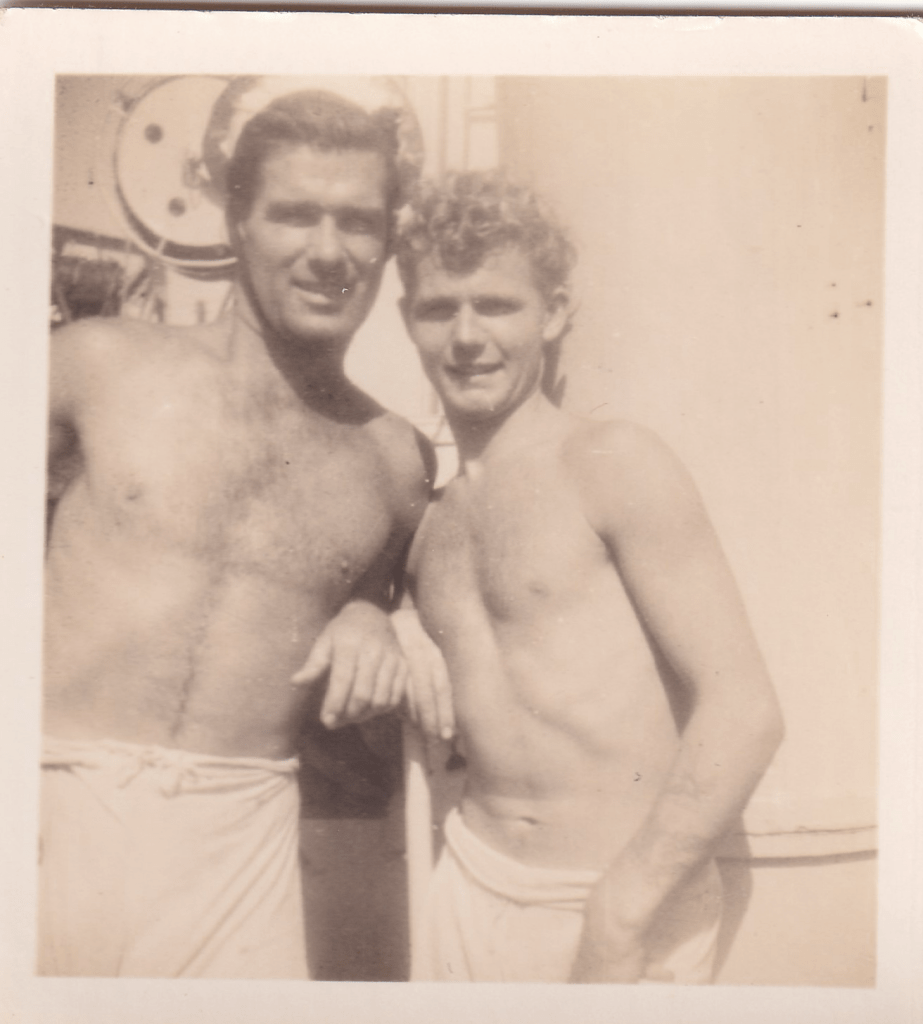
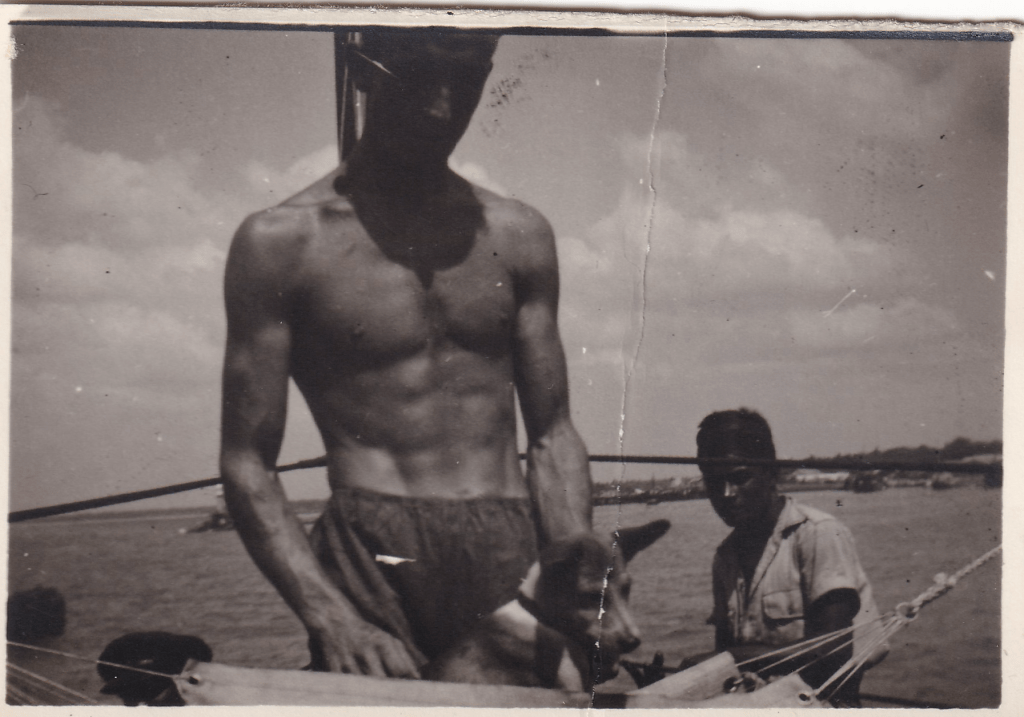
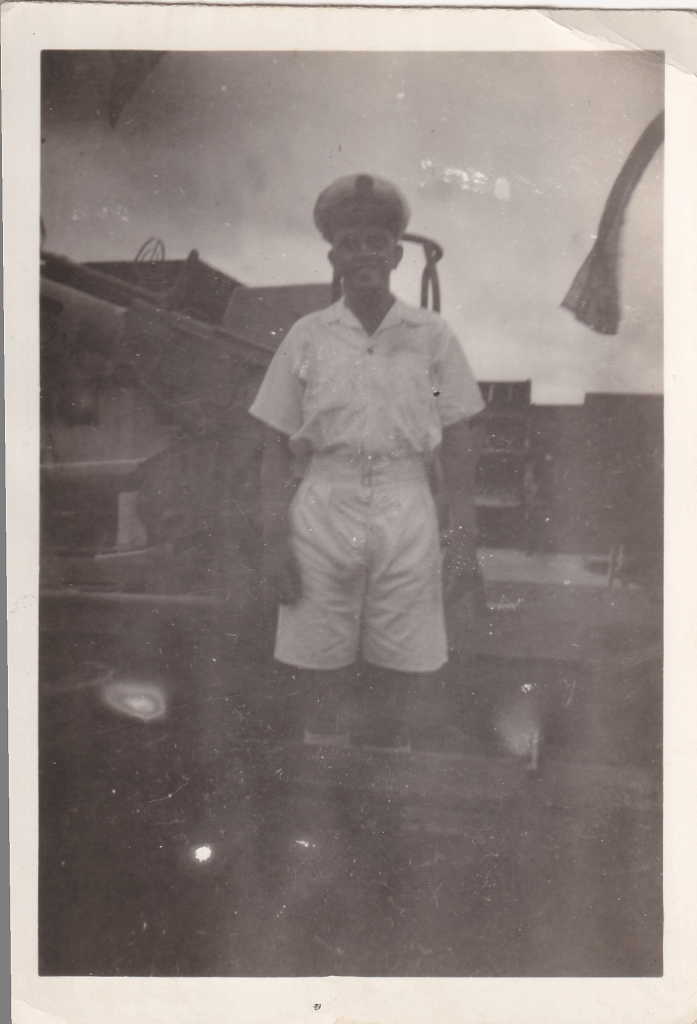
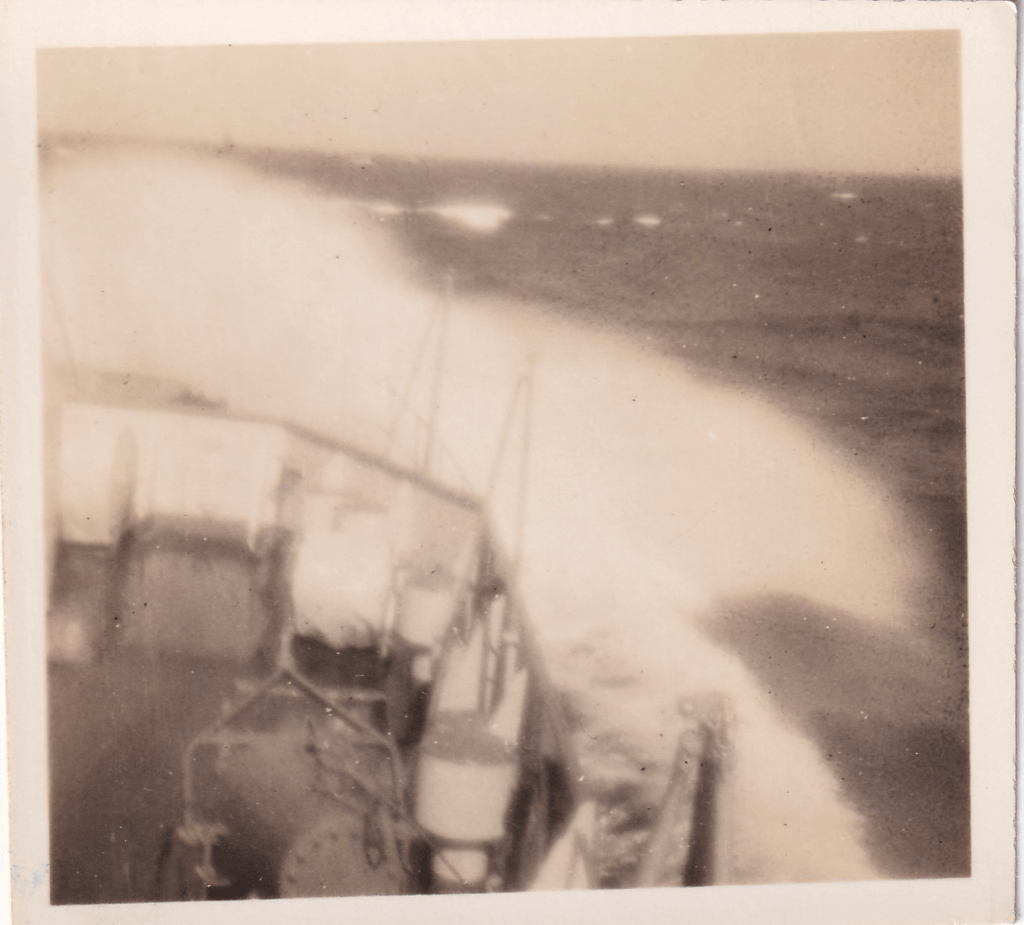
HMS Pickle (J293) c.1945-46
HMS Pickle was an Algerine-class minesweeper with a complement of eight officers and 110 ratings. In 1945, she was deployed to the Far East to carry out minesweeping duties in support of the Allied landings at Rangoon, Burma (now Myanmar).
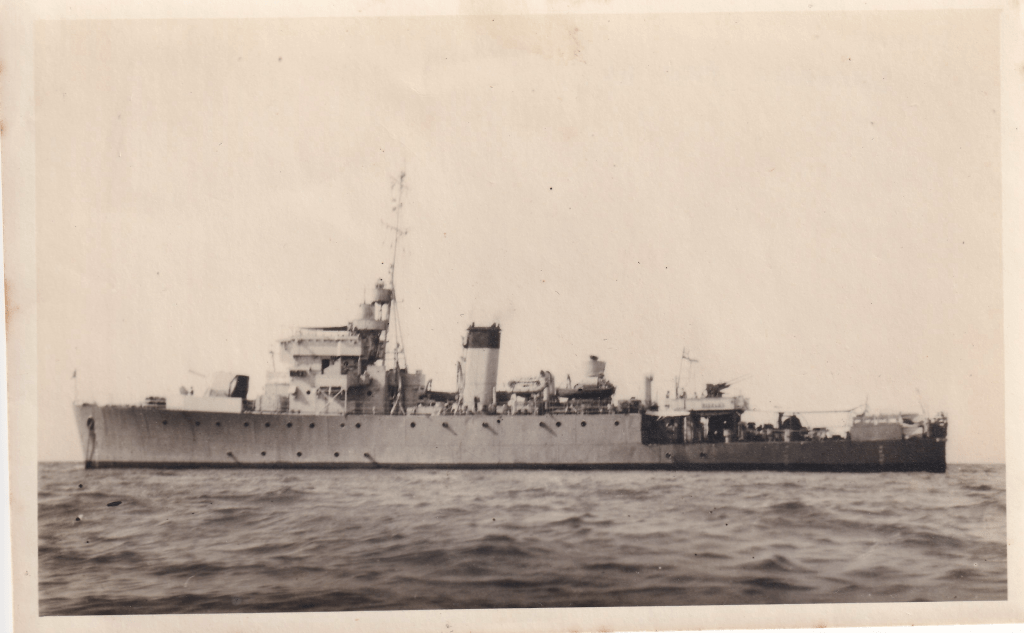
Peter served aboard Pickle during the post-surrender occupation period. Throughout his life he maintained a strong affection for the ship.
This group of snapshots offer an insight into the ship and her young crew during the immediate post-war period.
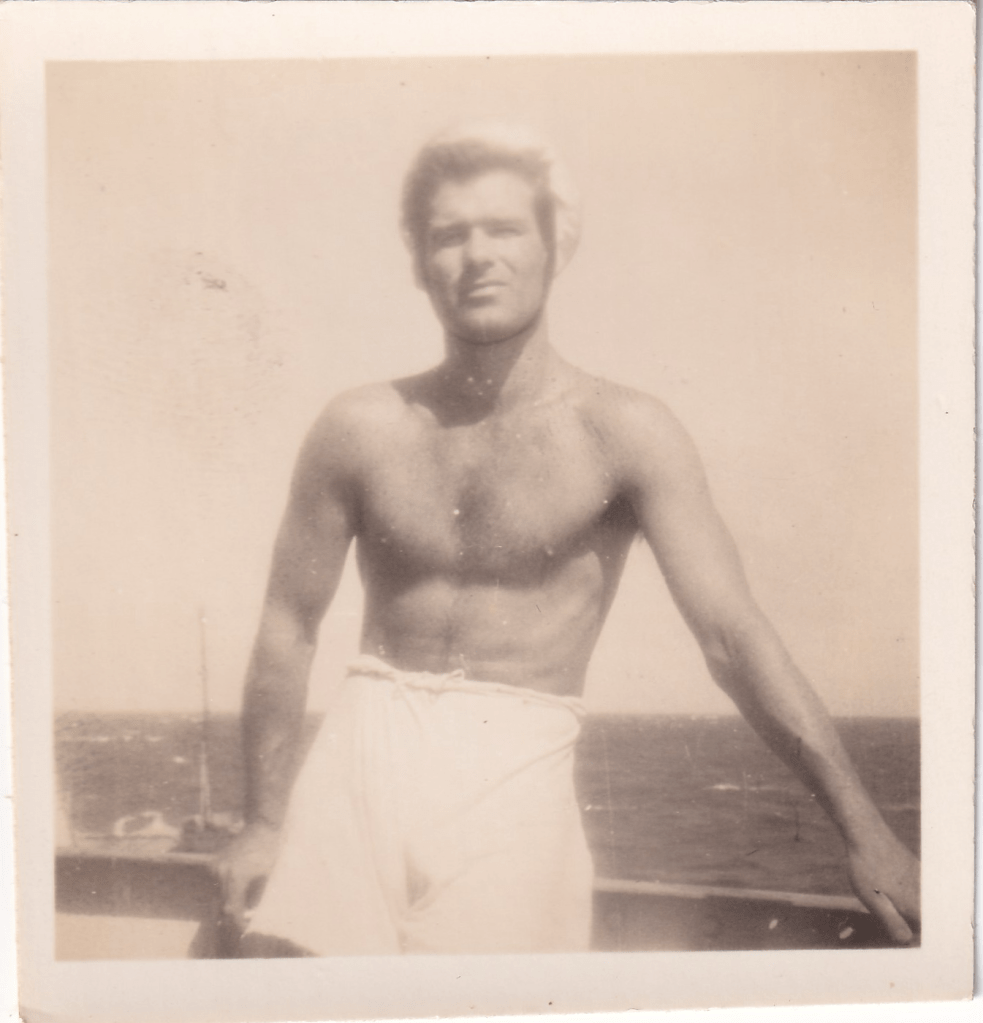
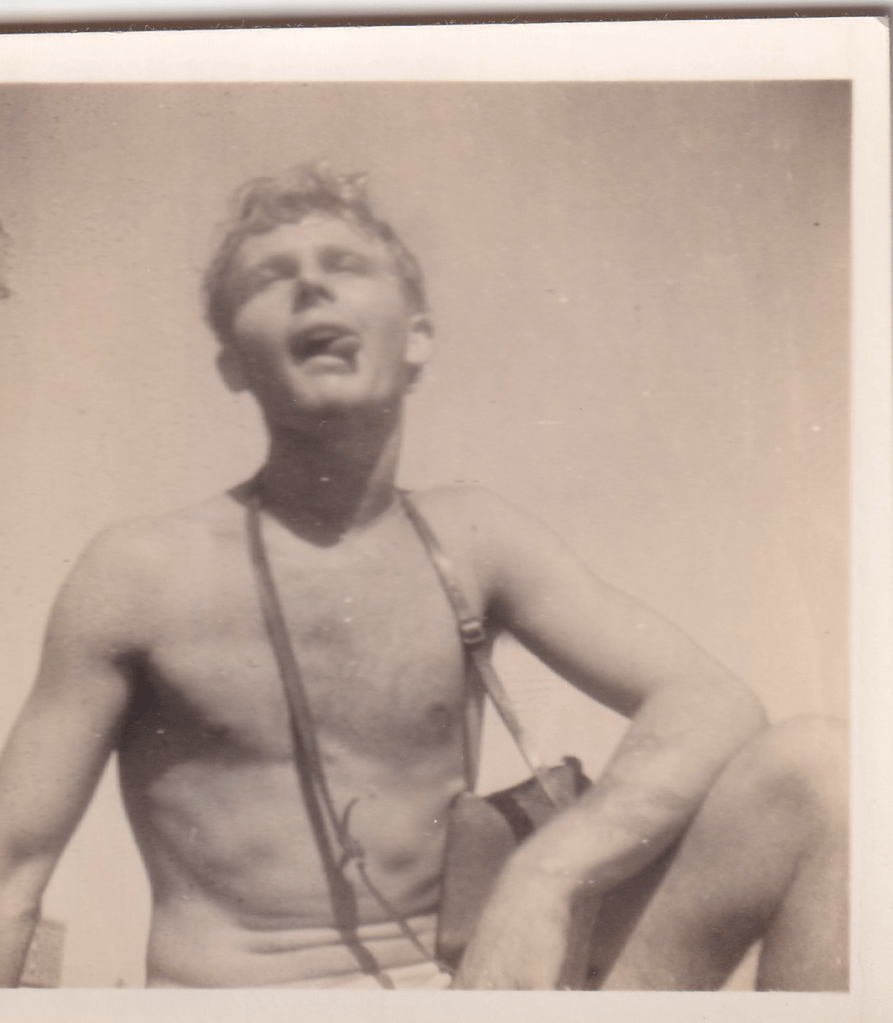
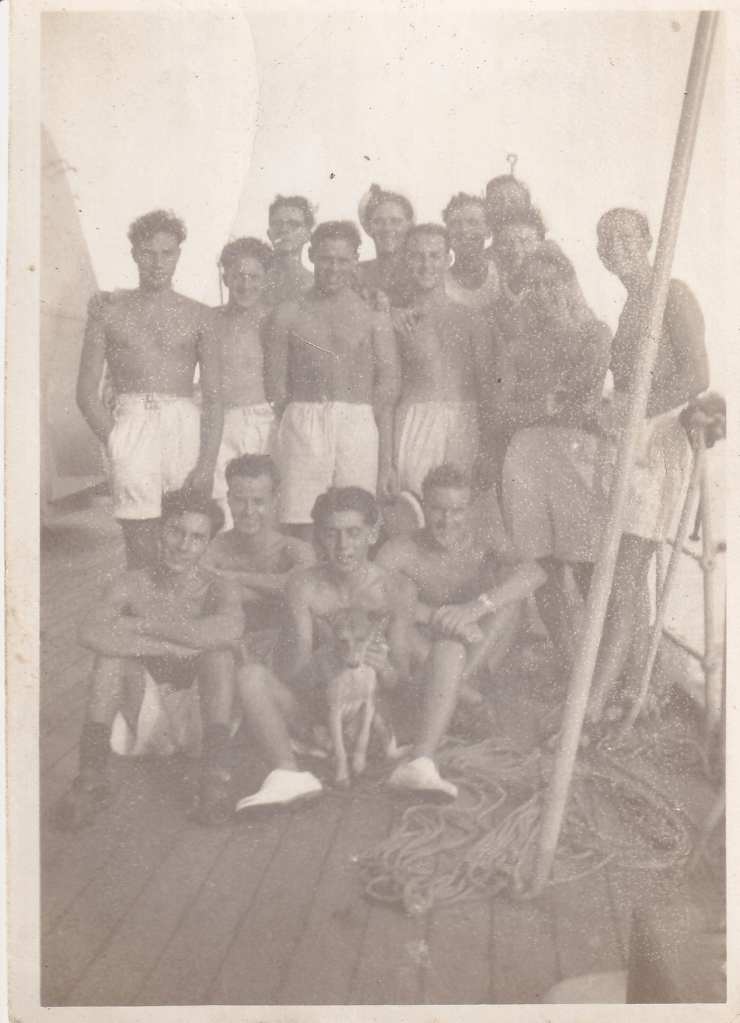
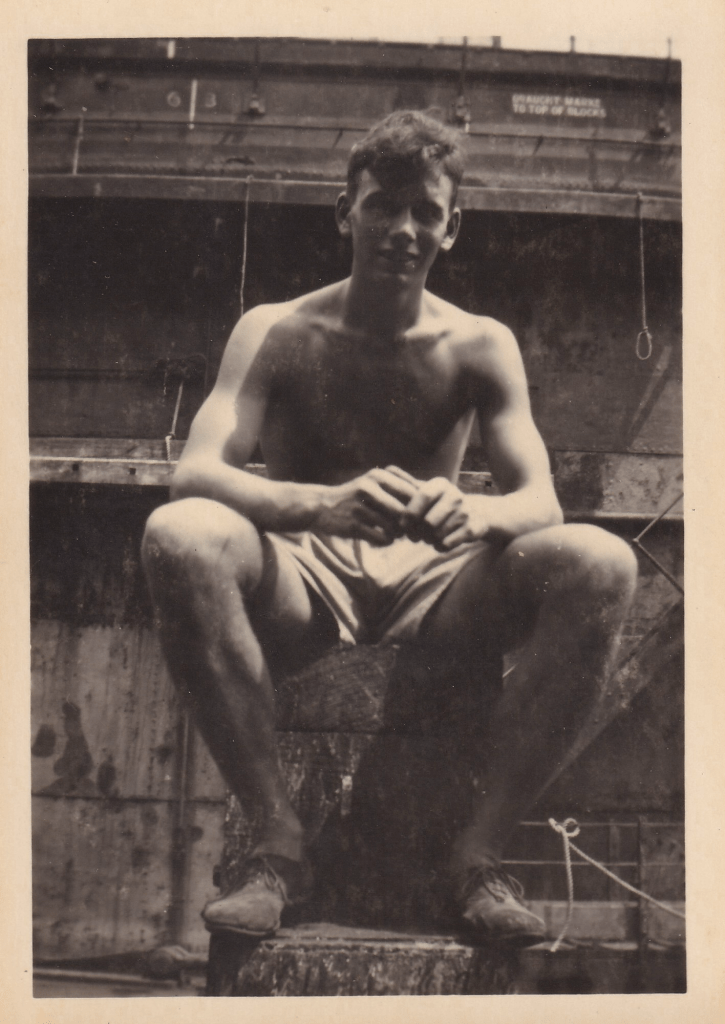

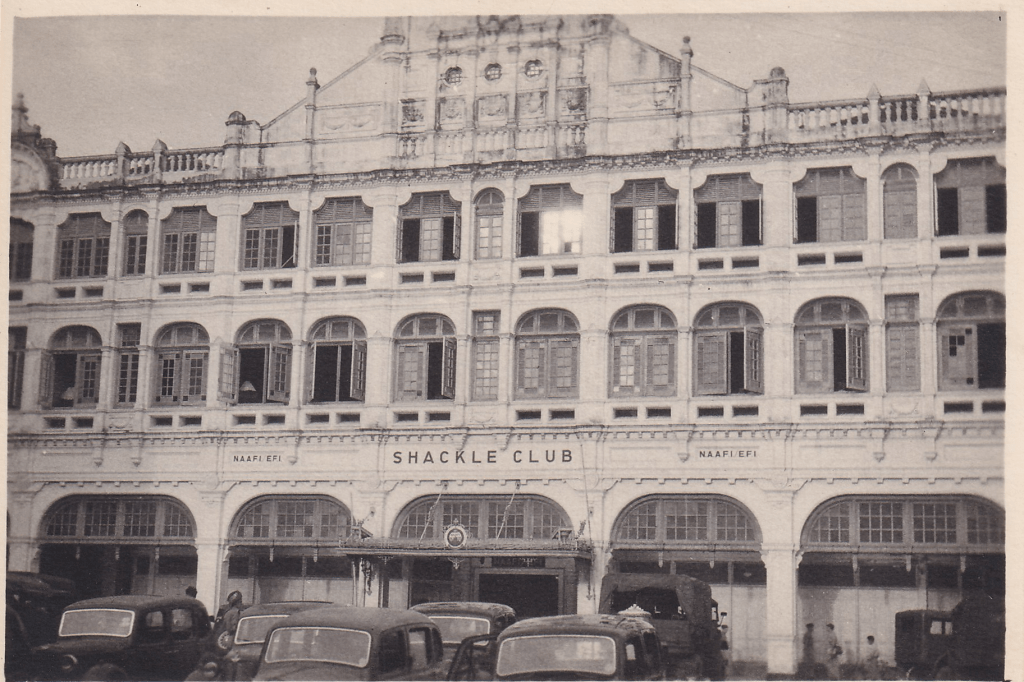
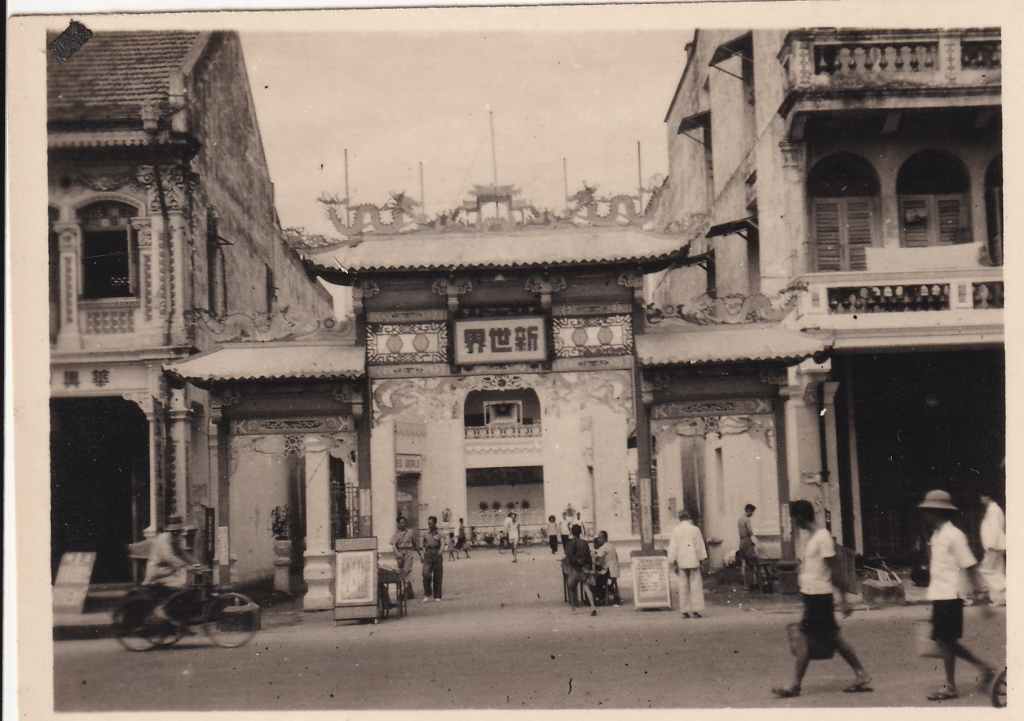
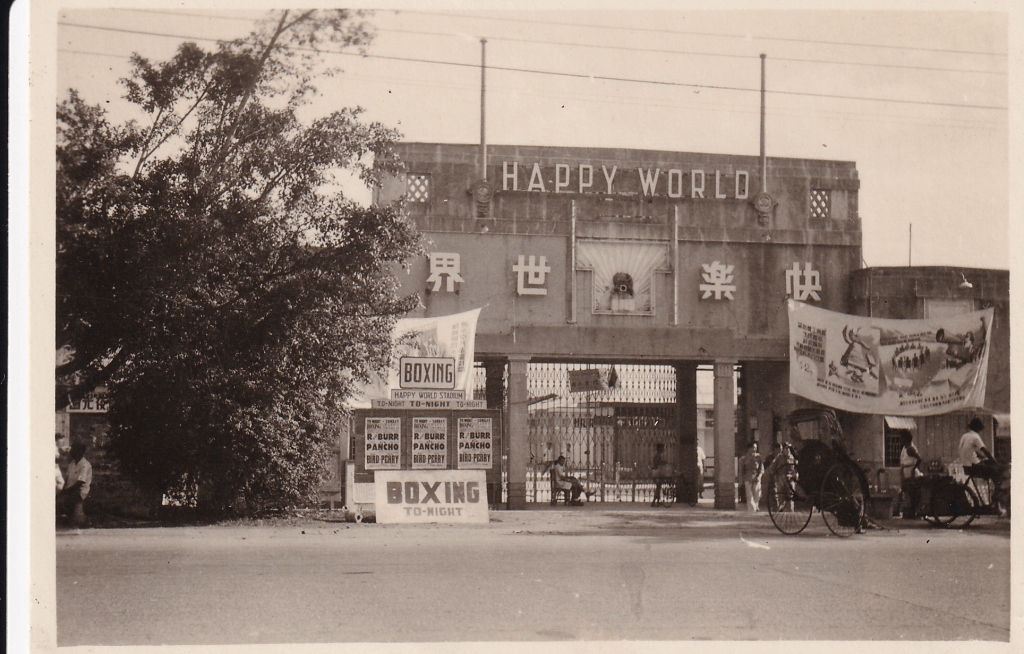
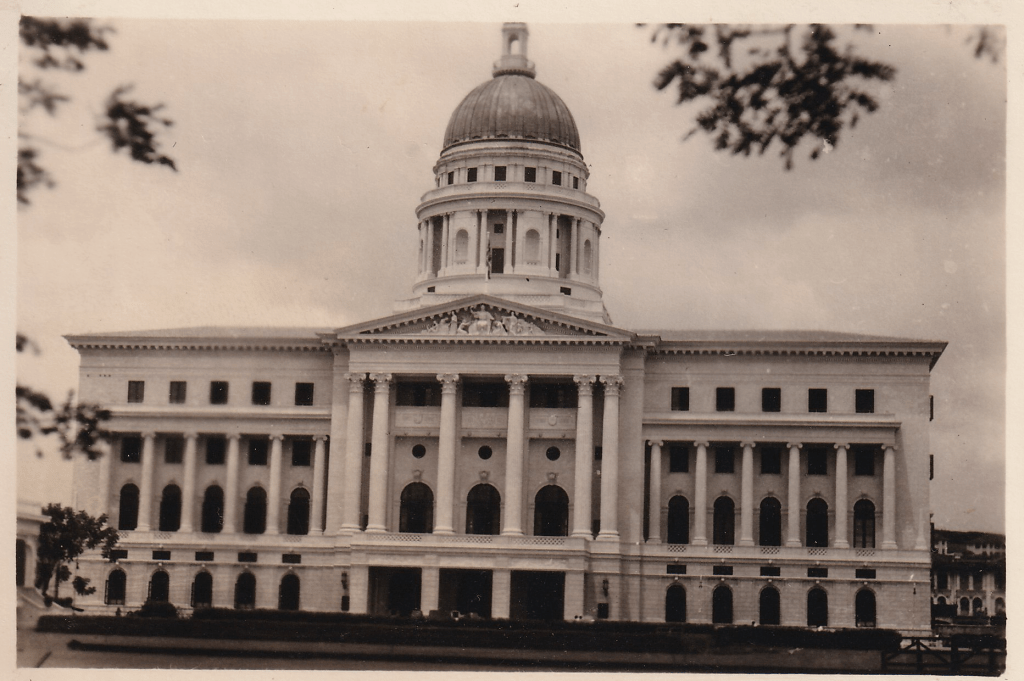
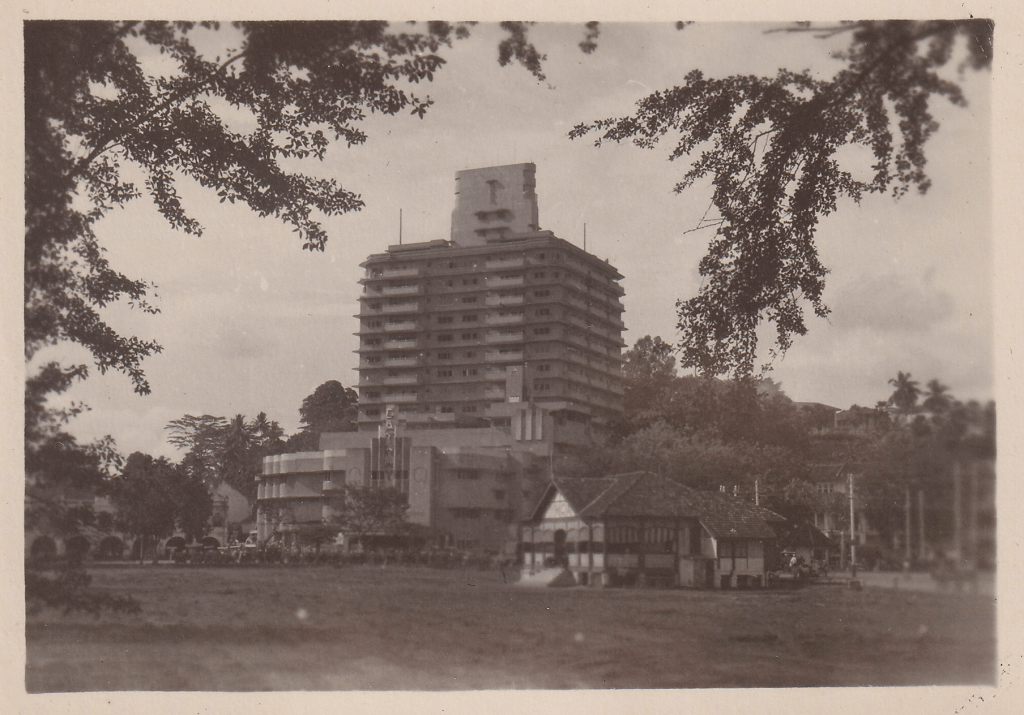
Post-Surrender Singapore: Recovery and Recreation, 1946
Life began to return to normal following the surrender. These images show local street scenes and places of recreation enjoyed by Allied forces and members of the local community — including South Bridge Road, the Shackle Club, and the Great World, New World, and Happy World amusement parks.





Footnote: Peter returned to Britain in September 1946, and was finally released on 16th May 1947 – just over two years after the cessation of hostilities in Europe.
Click here to read Peter’s family letters after VE Day…
or
