The surname Dibben (and variants such as Diben, Dibbens, Dibbin, and Dibdin) is identified as an English habitational or locational surname. This means that it arose from a place-name rather than an occupation, personal characteristic, or patronymic (derived from a father’s first name).
Originating from the Old English words deop (“deep”) and denu (“valley”), meaning “deep valley”, the name is thought to derive from the small Hampshire village of Depedene, [i] listed in the Domesday Book of 1086. This area was held by Odo of Winchester, better known as William the Conqueror’s half-brother.
Descendants appear to have concentrated along the south coast of England. By 1841, there were 512 recorded instances of the surname in England, with none recorded elsewhere in the world. At that time, the name was found predominantly in Dorset, with 183 individuals bearing the name, and 98 in neighbouring Hampshire. [ii] Numbers have remained relatively consistent, with 190 recorded in Dorset and 79 in Hampshire by 2014. [iii]
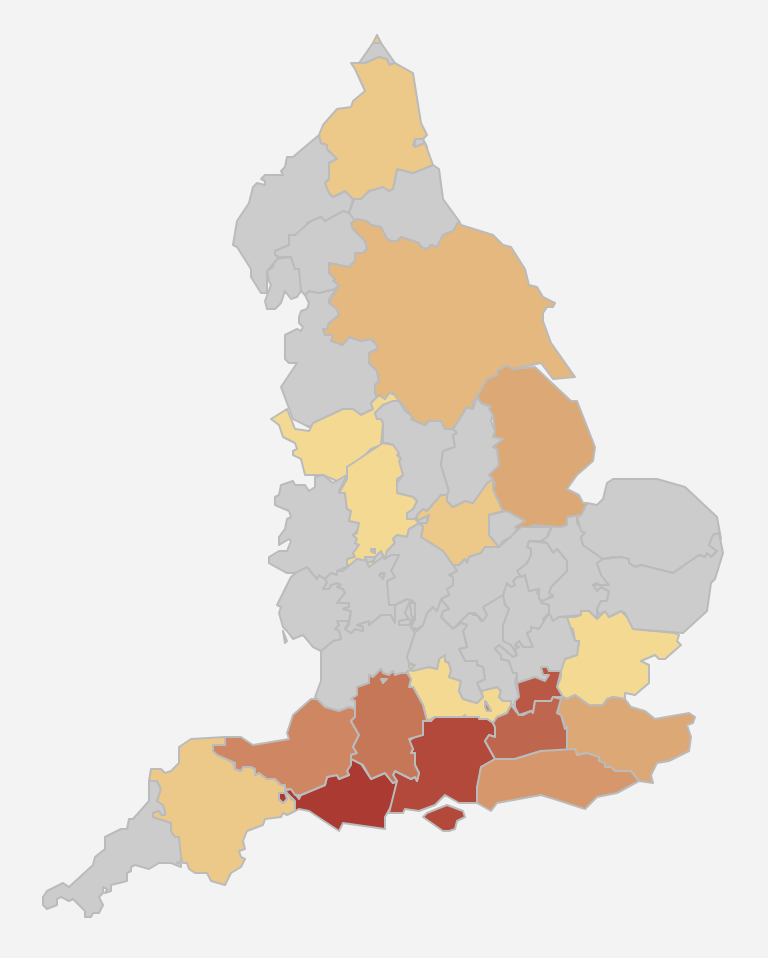
Our Dibben line can be traced back to Joseph Dibbens of Calbourne, Isle of Wight, born around 1761, who married Jane Rogers in 1805.
Joseph Dibbens (c1761-1846) married Jane Rogers (1771-?)
One son: Isaac
Isaac Dibben (1811-1891) married Mary Ann Cooper (1820-1901)
Ten children: George Cooper, Jane, Henry, William, twins Joseph and Mary Ann, Catherine, Louisa, Martha, and Ellen
Catherine Dibben (1850-1934) married Joseph Twohey (c1838 – 1913)
Two daughters: Norah Louisa and Eva May
